
Wetland Animals and Why They Matter
📘 Table of Contents
Wetland Animals and Why They Matter
-
Introduction: What Are Wetlands?
-
Types of Wetlands Around the World
-
Marshes
- Swamps
- Mangroves
- Floodplains
-
Why Wetlands Are Important Ecosystems
-
Animals That Live in Wetlands
-
Mammals
- Birds
- Reptiles and amphibians
- Fish and insects
-
Adaptations of Wetland Animals
-
Wetland Food Chains and Biodiversity
-
Role of Wetland Animals in Ecosystem Balance
-
Wetlands as Natural Water Filters
-
Flood Control and Climate Benefits
-
Threats Facing Wetland Animals
-
Human Impact on Wetlands
-
Wetland Conservation and Restoration Efforts
-
How Protecting Wetlands Helps Wildlife and Humans
-
Conclusion: Why Wetland Animals Matter
Introduction
Wetlands are among Earth's most productive ecosystems, serving as a vital bridge between land and water. These unique environments—including marshes, swamps, bogs, and mangroves—support an incredible diversity of life. From colorful birds to elusive amphibians, wetland animals play crucial roles that extend far beyond their watery homes. Understanding these creatures and their importance is essential for protecting both wildlife and human communities.

The Diversity of Wetland Animals
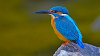
Wetlands host a remarkable variety of species adapted to life in and around water. Birds like herons, egrets, and ducks rely on wetlands for nesting and feeding. Amphibians such as frogs and salamanders complete their life cycles in these habitats. Fish, including species like pike and carp, thrive in wetland waters. Mammals like beavers, otters, and muskrats make wetlands their home, while countless insects, reptiles, and invertebrates add to the biodiversity.
Ecological Functions
Wetland animals are essential to ecosystem health. Birds and fish help control insect populations, preventing outbreaks that could affect agriculture. Amphibians serve as both predators and prey, maintaining balance in food webs. Beavers act as ecosystem engineers, creating dams that form new wetland habitats. These animals also aid in nutrient cycling, breaking down organic matter and redistributing nutrients throughout the ecosystem.
Water Quality and Filtration
Many wetland animals contribute to water purification. Filter-feeding organisms like mussels and certain fish species remove pollutants and excess nutrients from water. Waterfowl help distribute seeds and nutrients across wetlands, supporting plant growth that further improves water quality. This natural filtration system protects downstream communities from contaminated water and reduces the need for expensive water treatment facilities.
Flood Control and Climate Regulation
Wetland animals support the ecosystem services that protect human communities. The vegetation maintained by herbivorous animals like muskrats and waterfowl helps slow water flow during storms, reducing flood risks. Wetlands also store carbon, and the animals living there play roles in this climate regulation function through their interactions with plants and soil organisms.
Economic and Cultural Value
Wetland animals provide significant economic benefits. Commercial and recreational fishing in wetlands generates billions of dollars annually. Birdwatching and wildlife tourism centered on wetland species create jobs and support local economies. Many cultures have deep connections to wetland animals, featuring them in traditional stories, art, and practices that have been passed down for generations.
Threats to Wetland Animals
Despite their importance, wetland animals face serious threats. Habitat loss through drainage and development has eliminated more than half of the world's wetlands. Pollution from agriculture and industry degrades water quality. Climate change alters water levels and temperatures, disrupting breeding cycles. Invasive species compete with native wetland animals for resources. These pressures have pushed many wetland species toward extinction.
Conservation Efforts
Protecting wetland animals requires coordinated conservation action. International agreements like the Ramsar Convention designate important wetlands for protection. Restoration projects recreate lost habitats and reintroduce native species. Legal protections prevent hunting and habitat destruction. Community education programs build support for wetland conservation. These efforts are showing success in many regions, with some species recovering from near extinction.

Conclusion
Wetland animals are far more than just interesting wildlife—they are essential components of healthy ecosystems that provide invaluable services to humanity. From purifying water to controlling floods, from supporting fisheries to inspiring cultural traditions, these creatures contribute to our wellbeing in countless ways. The loss of wetland animals would diminish not only biodiversity but also the natural systems that sustain human communities. By recognizing their importance and taking action to protect wetland habitats, we invest in a healthier planet for all species, including ourselves. The future of wetland animals is inextricably linked to our own, making their conservation not just an environmental priority but a human necessity.
FAQ — Wetland Animals and Why They Matter
1. What are wetlands?
Wetlands are areas where land is covered with water either permanently or seasonally, such as marshes, swamps, and mangroves.
2. Which animals live in wetlands?
Frogs, fish, crocodiles, turtles, birds (like herons and ducks), insects, and mammals such as otters.
3. Why are wetlands important for animals?
They provide food, breeding grounds, shelter, and protection for many species.
4. How do wetland animals adapt to watery environments?
They have webbed feet, waterproof feathers or fur, special breathing abilities, and strong swimming skills.
5. Why do wetlands matter to humans?
Wetlands reduce floods, clean water naturally, support fisheries, and protect coastlines.
6. What threats do wetland animals face?
Pollution, drainage, climate change, urban development, and habitat destruction.
7. How do wetlands support biodiversity?
They are among the most productive ecosystems and support a wide variety of plant and animal life.
8. How can wetlands and their animals be protected?
By conserving habitats, reducing pollution, supporting wetland protection laws, and raising awareness.


0 Comments